
Attic Rain
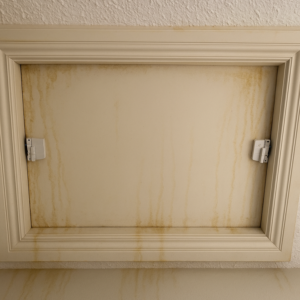
Attic rain refers to the accumulation of frost or moisture in an attic that forms during periods of extreme cold. When warmer weather arrives, this frost melts, causing water stains, leaks, drips, or damage to ceilings, insulation, and even drywall. Attic rain is typically caused by insufficient attic ventilation, high indoor humidity levels, and air leakage from the home into the attic space.
Attic rain is a concern for colder climates, including Alberta, where extreme temperature fluctuations can exacerbate the issue. By addressing its causes early, homeowners can mitigate damage to their homes.
Warrantability
Alberta New Home Warranty Standards:
- Attic rain issues caused by improper construction or design—such as inadequate ventilation, poorly sealed attic spaces, or insufficient insulation—are covered under:
- 5-year Envelope warranty: Includes defects in the building envelope, such as poorly sealed or improperly vented attic spaces.
- Exceptions: Damage caused by homeowner neglect, such as maintaining excessively high indoor humidity levels, is likely not covered.
Builder's Warranty:
- 5-year Envelope warranty: Includes defects in the building envelope, such as poorly sealed or improperly vented attic spaces.
- Builders are not responsible for problems caused by homeowner actions (e.g., poor humidity control or blocked vents).
Manufacturer's Warranty:
- Individual components related to the attic (e.g., vents, insulation) may have separate manufacturer warranties. Faulty venting systems or subpar insulation materials are often covered for a specified period (e.g., 5–10 years).
Maintenance
Proper maintenance of your attic can prevent attic rain.
Monitor Indoor Humidity
- Keep indoor humidity levels below 30% during cold weather to reduce the risk of warm, moist air entering the attic. Use a hygrometer to measure humidity levels.
- Use kitchen range hoods, HRV (if applicable) and bathroom fans to control humidity levels.
Inspect for Air Leaks
- Seal gaps in the home's interior (e.g., around attic hatches, light fixtures, or exhaust fans) to prevent warm, moist air from entering the attic.
- Use caulk or expanding foam to seal any visible gaps.
Ensure Proper Ventilation
- Check that attic vents and soffits are unblocked and free of dust, debris, or insulation.
Regular Inspections
- Schedule a professional inspection every couple of years for peace of mind.
Common Issues, Causes, Warrantability, and Repair Solutions
1. Frost Accumulation on Attic Surfaces
Frost in attics during cold weather doesn't automatically indicate a defect in your home—it's a common occurrence as warm, moist indoor air rises and condenses/freezes on cold surfaces like roof sheathing or framing. Properly ventilated attics are designed to handle this by allowing the frost to melt gradually and evaporate as humidity escapes through soffit, ridge, or other vents. Damage typically only occurs when exterior temperatures rise quickly (often within less than a week, such as during a sudden warm spell), causing rapid melting that overwhelms ventilation and leads to excess moisture, potential dripping, or soaking into insulation and wood. Light, scattered frost that evaporates slowly is usually harmless and seasonal.
Causes:
- Frost in attics during cold weather doesn't automatically indicate a defect in your home—it's a common occurrence as warm, moist indoor air rises and condenses/freezes on cold surfaces like roof sheathing or framing. Properly ventilated attics are designed to handle this by allowing the frost to melt gradually and evaporate as humidity escapes through soffit, ridge, or other vents. Damage typically only occurs when exterior temperatures rise quickly (often within less than a week, such as during a sudden warm spell), causing rapid melting that overwhelms ventilation and leads to excess moisture, potential dripping, or soaking into insulation and wood. Light, scattered frost that evaporates slowly is usually harmless and seasonal.
Warrantability:
- Builder's Warranty (1 Year / 5 Year): Frost caused by poor attic venting or sealing is covered under the workmanship warranty or building envelope warranty, provided the issue is linked to improper construction.
- Humidity levels or air leakage due to homeowner neglect are typically not covered.
Repair Solution:
- If within warranty period: Contact serviceQ to assess and repair
- If outside warranty: Identify sources of air leakage (e.g., around light fixtures, attic hatches) and seal them using caulk or spray foam. Contact a professional trade.
2. Mold Growth on Attic Surfaces
Causes:
- Persistent moisture from condensation.
- Poor ventilation trapping humid air.
- Wet or damp insulation resulting from frost melting.
Warrantability:
- Alberta New Home Warranty (1 Year): Covered under the 1-Year warranty if improper attic sealing or installation leads to condensation and mold growth.
- Builder Warranty (1 Year): May apply if mold results from moisture linked to faulty workmanship in the first 1–year.
- Manufacturer Warranty (1 Year): Specific roofing products designed for mold or stain resistance may be warranted if the mold appears due to product failure.
Repair Solution:
- If within warranty period: Contact serviceQ to assess and repair
- If outside warranty: Scrub minor mold using a mixture of water and detergent. For larger areas (over 10 square feet), consult a mold remediation specialist. Contact a professional trade
3. High indoor humidity contributing to attic rain
Causes:
- Excessive generation of moisture from household activities like showering, cooking, or using humidifiers.
- Inconsistent use of proper exhaust systems for bathrooms and kitchens.
Warrantability:
- Alberta New Home Warranty (1 Years):May be covered under the 1-Year workmanship warranty for poorly installed or vented exhaust systems.
- Builder's Warranty (1 Year):Defects in exhaust ventilation contribute to excess household humidity.
- Manufacturer's Warranty: Unlikely to apply unless exhaust fans are defective within the standard warranty period.
Repair Solution:
- If within warranty period: Contact serviceQ to ensure proper venting and installation of exhaust systems.
- If outside warranty: Reduce indoor humidity levels by using dehumidifiers and running kitchen and bathroom fans. Seal around bathroom fan vents to ensure no air leaks into the attic.
Disclaimer: The information provided on this website is for general guidance only and does not constitute legal, technical, or warranty advice and Qualico and its affiliated companies make no warranty whatsoever with respect to such information, including (but not limited to) for fitness for a particular purpose. Product warranties are governed by manufacturers’ terms and conditions, and proper maintenance is required to uphold functionality and coverage. Qualico and its affiliated companies are not liable for any injury (personal or otherwise), harm, personal damage, or property damage caused by (i) the use or misuse of, (ii) neglect related to, or (iii) unforeseen events related to, the information provided above. For specific warranty and maintenance details, please refer to the manufacturer’s documentation.