
Ducts & Vents
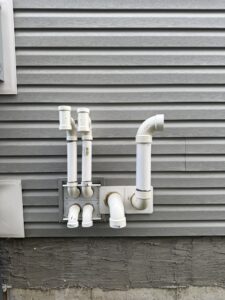
Ducts and vents are integral components of a home's HVAC (Heating, Ventilation, and Air Conditioning) system. Ducts distribute heated or cooled air from the furnace, air conditioner, or ventilation system to all areas of the home. Vents serve as outlets and inlets for air circulation. Properly installed and maintained ducts and vents ensure effective climate control, improve indoor air quality, and create balanced heating and cooling throughout the home.

Warrantability
Alberta New Home Warranty Standards:
- 2-Year Warranty: Covers heating and ventilation system performance issues, including leaky ducts or inadequate airflow caused by faulty ductwork connections.
Builder's Warranty:
- 1-Year Warranty: Builders typically offer a one-year warranty covering defects in workmanship and installation, such as poorly sealed duct joints, vent leaks, or incorrect ductwork sizing/layouts that contribute to uneven air distribution.
- 2-Year Warranty: On the distribution systems, covering defects or issues that affect their ability to distribute heated or cooled air evenly throughout the home.
- Issues such as dust buildup or damage caused by neglect or improper use are generally not covered.
Manufacturer's Warranty:
- Metal or flexible ducts rarely have a manufacturer's warranty unless they are pre-fabricated systems. Vent components, such as grilles or registers, may have limited warranties (e.g., 1–5 years) for defects in materials or craftsmanship.
Maintenance
Ducts and vents require periodic maintenance to ensure optimal air distribution and indoor air quality. Follow these practices:
Cleaning:
- Inspect and clean ducts and vents every 1–3 years to remove dust, debris, and allergens that accumulate over time. Use a vacuum with a HEPA filter or consult a professional duct cleaning service for thorough cleaning.
- Clean vents and grilles with a cloth or brush to enhance airflow and reduce blockages.
Inspection:
- Check for visible leaks, gaps in ductwork, or damaged vent grilles during routine inspections. Make sure vents are free of obstructions that may block airflow.
Preventive Measures:
- Install vent filters to capture dust and debris while improving air quality. Ensure that the HVAC system is serviced annually to maintain efficient airflow and balance.
- Adjust vent dampers seasonally, especially in multi-level homes, to balance heating or cooling.
What to Avoid:
- Ignoring dust buildup inside ducts and vents—this can lead to reduced air circulation, strain on the HVAC system, and indoor air quality issues.
- Covering vents or obstructing airflow with furniture, rugs, or curtains.
- Skipping annual HVAC system inspections, which are critical for maintaining duct and vent performance.
Common Issues, Causes, Warrantability, and Repair Solutions
1. Uneven Heating or Cooling (Heat Balancing Issues)
Causes:
- Leaving bedroom doors closed.
- Poorly balanced vent dampers affecting airflow to all areas of the home.
- Closed or obstructed vents restricting airflow in specific areas.
Warrantability:
- Temperature variations between rooms in a home are not warrantable under the Alberta New Home Warranty Program. However, building code requirements (aligned with the National Building Code – Alberta Edition) and the program specify that a home's heating system must be capable of maintaining an indoor air temperature of 22°C in living spaces (and typically 18°C in unfurnished basements) at the location's winter design temperature. This ensures that overall minimum temperature standards are met based on geographic location but does not guarantee uniform temperatures across individual rooms.
Repair Solution:
- If Within Warranty Period: Contact serviceQ to inspect the duct system and diagnose heat balancing issues.
- If outside warranty: Inspect all vents and dampers to ensure they are adjusted and not obstructed. Ensure proper maintance including recommended duct cleaning is up to date.
2. Leaks or Damaged Ducts
Causes:
- Improper sealing of duct joints during installation.
- Damage or wear over time (e.g., separated seams or cracks in the duct material).
- Loose connections in flexible duct systems.
Warrantability:
- Alberta New Home Warranty (1-Year): Covered under the 1-Year workmanship warranty if leaks result from poor sealing during installation.
- Builder Warranty (1-Year): Applies during the first 1–year issues caused by installation errors.
- Manufacturer Warranty: Rarely covered unless defective duct material causes the leakage.
Repair Solution:
- If Within Warranty Period: Contact serviceQ for inspection and repairs.
- If outside warranty: Inspect ducts for visible gaps, cracks, or holes. Apply duct sealant or metal-backed tape to seal these areas. Replace severely damaged sections to prevent continued air loss.
3. Blocked or Obstructed Vents
Cause:
- Lint buildup in dryer vents.
- Left over construction debris.
- Debris, leaves, or small animals nesting in exterior vents.
- Faulty vent covers or flaps preventing proper airflow.
Warrantability:
- Builder's Warranty (1 Year): Blocked vents caused by improper installation or poor positioning may be covered under the builder's warranty within the first year.
- Manufacturer Warranty: Not applicable unless defective vent covers contribute to blockages.
Repair Solution:
- If Within Warranty Period: Report inaccurate readings to serviceQ to address improperly installed or blocked venting.
- If outside warranty: Clear lint or debris manually or using a vent-cleaning brush. Inspect vent covers for damage and replace if necessary, with an animal-proof cover.
4. Poor Air Quality (Dust, Mold, or Odors)
Causes:
- Ventilation system failure linked to a component of HVAC system (HRV/ERV, Vent switch, etc.)
- Dust accumulation in ducts due to inadequate filter replacement or ineffective filtration systems.
- Mold growth inside ductwork caused by high humidity levels, condensation, or water leaks in unconditioned spaces.
- Odors trapped in ducts from contaminants (e.g., cooking smells, smoke, or animal nesting).
Warrantability:
- Alberta New Home Warranty (2 Years): May be covered under the 2-Year delivery system warranty if a defective HVAC component is the Root Cause. Dust and odors are generally maintenance-related and not covered.
- Builder Warranty (2 Year): May be covered under the 2-Year delivery system warranty if a defective HVAC component is the Root Cause. Dust and odors are generally maintenance-related and not covered.
- Manufacturer Warranty: Typically, not applicable unless defective duct insulation or material directly contributes to the issue.
Repair Solution:
- If Within Warranty Period: Work with serviceQ to investigate.
- If outside warranty: Schedule a professional duct cleaning to remove accumulated debris and replace HVAC filters regularly (every 3 months). Consider upgrading to HEPA or high-efficiency filters. Clean ducts professionally, and repair issues contributing to moisture (e.g., HRV). Ventilate the home and flush duct systems with clean air. Address persistent odors by cleaning vent grilles and using odor-neutralizing treatments distributed by the HVAC system.
5. Noise such as popping, creaking, or ticking
Cause:
- Ducts expanding and contracting during operation periods.
- Loose duct components vibrating during operation.
- Pressure imbalances in the HVAC system due to closed vents or improperly set dampers.
Warrantability:
- Noises from HVAC components, such as popping, creaking, or ticking, are often not covered under typical manufacturer or installation warranties, as they usually result from normal thermal expansion and contraction of the ductwork rather than a defect in the equipment itself. These sounds commonly occur when the furnace or air handler stops running, and the ducts cool down, causing them to contract. This can produce noise particularly at fastened connection points between duct sections or where the ductwork contacts building materials like framing, joists, or drywall.
Repair Solution:
- If Within Warranty Period: Contact serviceQ to inspect and advise.
- If outside warranty: Tighten or secure any loose duct connections to minimize rattling or banging sounds. Ensure balancing dampers within the duct system are correctly adjusted.
Disclaimer: The information provided on this website is for general guidance only and does not constitute legal, technical, or warranty advice and Qualico and its affiliated companies make no warranty whatsoever with respect to such information, including (but not limited to) for fitness for a particular purpose. Product warranties are governed by manufacturers’ terms and conditions, and proper maintenance is required to uphold functionality and coverage. Qualico and its affiliated companies are not liable for any injury (personal or otherwise), harm, personal damage, or property damage caused by (i) the use or misuse of, (ii) neglect related to, or (iii) unforeseen events related to, the information provided above. For specific warranty and maintenance details, please refer to the manufacturer’s documentation.